

By James Picerno | The Milwaukee Company
The yield curve has steepened, but the reasons matter more than the shape itself
The curve suggests recession fears have eased, but uncertainty around growth and inflation persists
Elevated long-term yields argue for caution on duration with bond strategies
The Treasury yield curve has been one of the most closely watched indicators in finance over the past several years. First it flattened, then it inverted, and now it has begun to steepen again. For many investors, a steeper yield curve signals better economic times ahead. The reality is more nuanced.
The yield curve measures the gap between short- and long-term Treasury yields. Under normal circumstances, long-term yields are higher than short-term yields, reflecting expectations for economic growth and inflation. When the curve inverts, with short-term yields exceeding long-term yields, it often signals a forecast for slower growth and future Federal Reserve rate cuts.
While the curve’s shape can provide valuable clues about investor sentiment, the forces driving changes in the curve matter just as much. The return of an upward-sloping curve over the past year suggests that the bond market has moved away from pricing weaker growth (if not outright recession) and Fed rate cuts. Instead, investors appear to be assigning greater odds to firmer growth, more persistent inflation, and higher long-term borrowing costs.
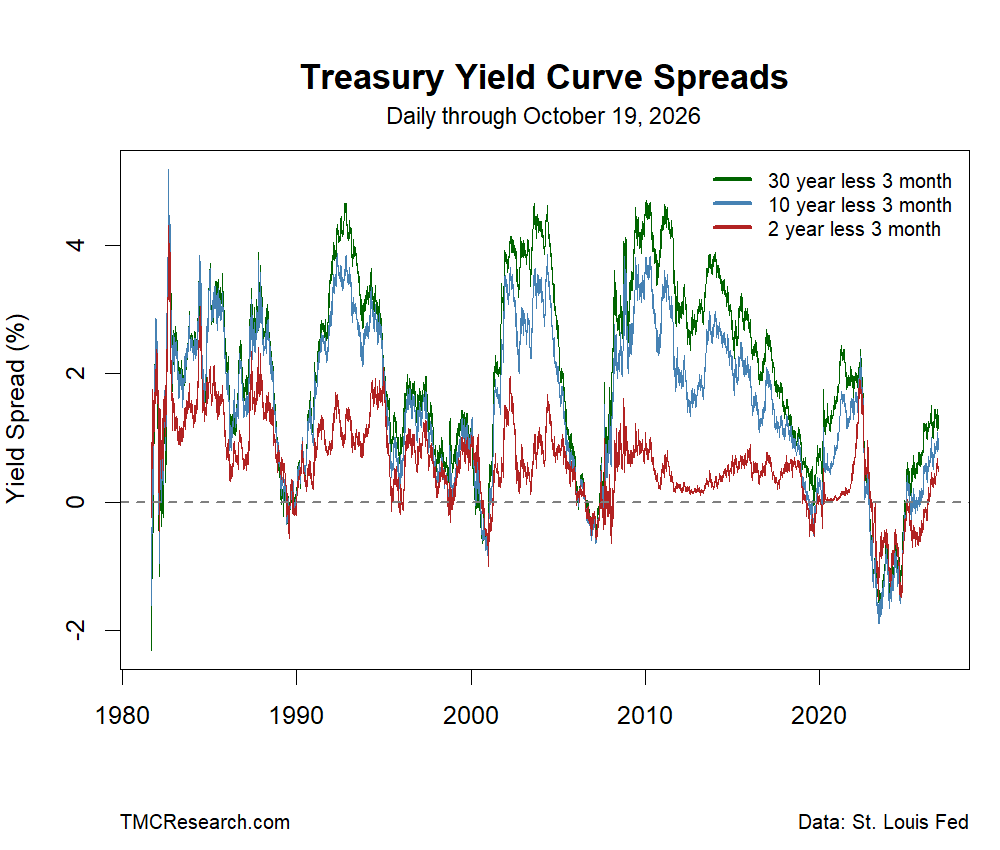
While it is clear that the curve has steepened, much of the debate today centers on whether the move reflects a “bull steepener” or a “bear steepener.”
A bull steepener typically occurs when short-term yields fall faster than long-term yields, often because investors expect the Federal Reserve to cut interest rates in response to slowing economic growth. Historically, yield-curve inversions have often unwound through this pattern as markets begin pricing easier monetary policy. In many cases, the curve steepens not because the economic outlook is improving, but because investors anticipate weaker growth and lower policy rates — a scenario that favors bonds.
A bear steepener, by contrast, occurs when long-term yields rise faster than short-term yields. This can reflect stronger growth expectations, persistent inflation concerns, rising Treasury issuance, or an increase in the term premium investors demand to hold longer-dated bonds. In that scenario, a steeper curve may signal a reassessment of inflation, fiscal, or long-term interest-rate risks rather than concern about an approaching downturn. For bond investors, the result can be renewed pressure on longer-duration bonds as yields move higher.
The challenge for investors is that today’s market appears to contain elements of both scenarios. On one hand, investors still expect the Federal Reserve to cut rates eventually, particularly if the conflict with Iran de-escalates and energy prices ease. Expectations for rate cuts have shifted with developments in the conflict, in part because oil prices can influence the inflation outlook. Meanwhile, long-term yields have remained elevated as economic growth has proven resilient, energy-related inflation risks persist, and concerns about large federal deficits and rising Treasury issuance have increased the compensation investors require to hold longer-term bonds.
For now, the recent yield-curve steepening appears to reflect elevated long-term yields. The bond market today appears less focused on an imminent recession and more concerned about the possibility that economic growth, inflation, interest rates, and government borrowing costs could remain higher than many investors previously anticipated.
The broader lesson is that the yield curve should not be viewed as a standalone forecast. It is better understood as a reflection of competing forces shaping the economy and financial markets. The same curve shape can emerge for very different reasons, and those differences can have important implications for stocks, bonds, and portfolio strategy.
For fixed-income investors, today’s steeper yield curve may argue for caution on duration. Short- and intermediate-term bonds currently offer relatively attractive yields compared with long-term rates. For example, the 10-year yield traded at just 10 basis points above the 5-year maturity on Oct. 19 — a relatively thin premium.
Unless investors have strong conviction that growth and inflation will slow meaningfully, extending maturities may not provide sufficient compensation for the additional interest-rate risk. But if growth weakens or the Fed cuts more than expected at some point, longer-dated bonds would benefit, and investors who favor shorter maturities will face reinvestment risk when yields fall.
Current estimates do not point to a sharp slowdown in economic activity in the immediate future. The Atlanta Fed’s GDPNow model, for example, projects that third-quarter GDP growth will run at a 3.5% annualized pace, up from 2.2% in the second quarter (as of Oct. 20).
The yield curve’s recession signal has faded over the past year, but neither is it signaling an all-clear. Instead, it reflects a market wrestling with the possibility that economic growth, inflation, and interest rates may remain higher than previously forecast.
For investors, understanding what is driving the curve may be more important than the curve’s shape alone.
